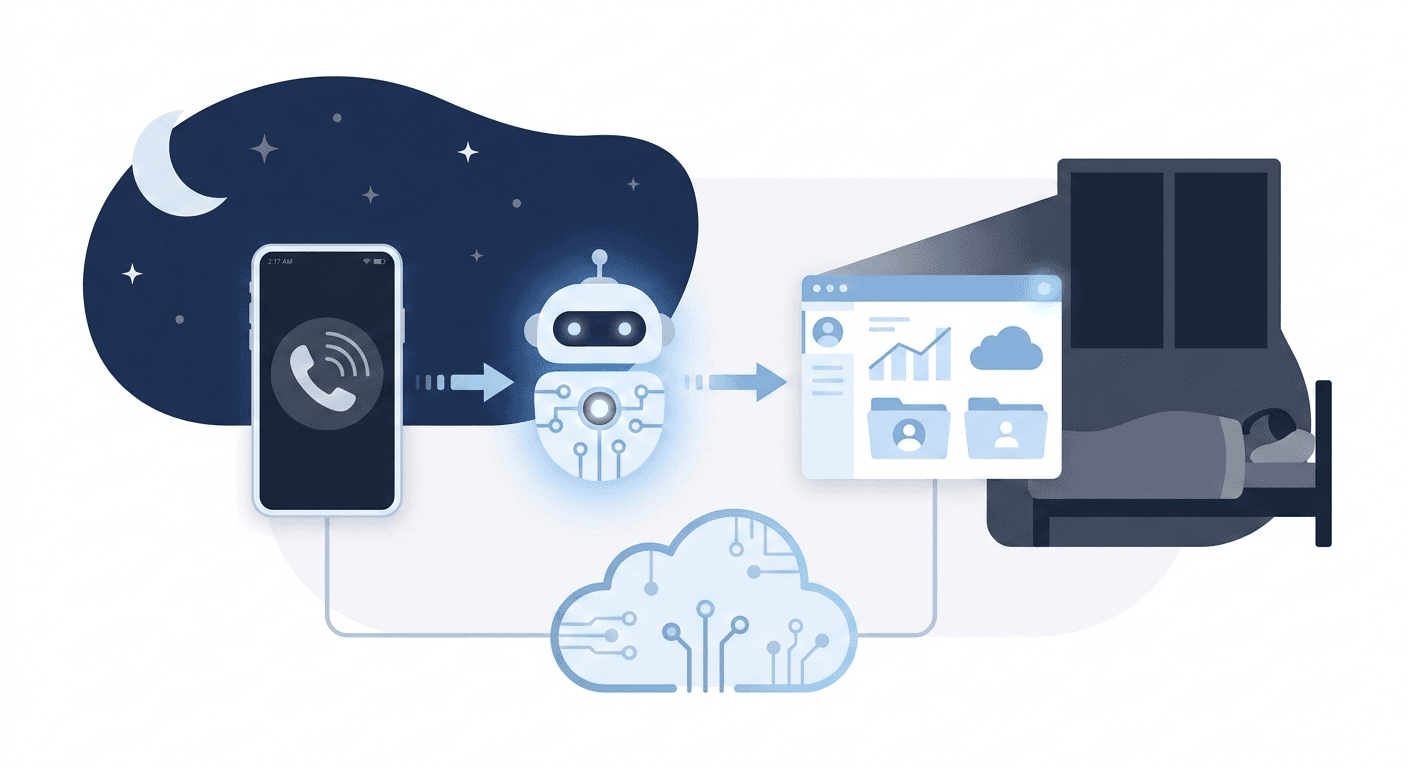
If you’re a founder or service-based business owner, you know the feeling: you wake up to a missed call from a potential client, call them back 30 minutes later, and hear, "Oh, sorry, I already booked with someone else."
In the 24/7 global economy, missing a call isn't just an inconvenience - it’s a direct financial leak. The average business response time is currently 47 hours, but research shows that your chances of qualifying a lead drop by 391% if you wait just 30 minutes instead of 5.
Here is how the "Inbound AI" system fixes this by turning your phone line into an automated revenue generator.
Average business response time to an inbound lead.
Drop in your chance of qualifying a lead if you wait 30 minutes instead of 5.
Average yearly revenue an SMB loses to unanswered inquiries.
Cost reduction in the dental clinic case study after switching to an AI receptionist.
1. The Cost of Silence: Is Your Phone Bleeding Money?
Most businesses underestimate the "Invisibility of Missed Opportunities." If you don't answer, you don't just miss a conversation; you often lose the lifetime value of that client.
According to 2026 data, the annual revenue leakage from missed inquiries is staggering:
Swipe through the numbers
- Legal Services$193,800+lost annually
- Home Services$151,200+lost annually
- Real Estate$150,000+lost per agent annually
- SMBs (Average)$126,000per year in lost revenue due to unanswered inquiries
The math is simple: 85% of callers will not call back if they don't get through the first time. They simply move to your competitor.
Source: Dialzara: The Cost of a Missed Call
2. Meet Your 24/7 AI Receptionist
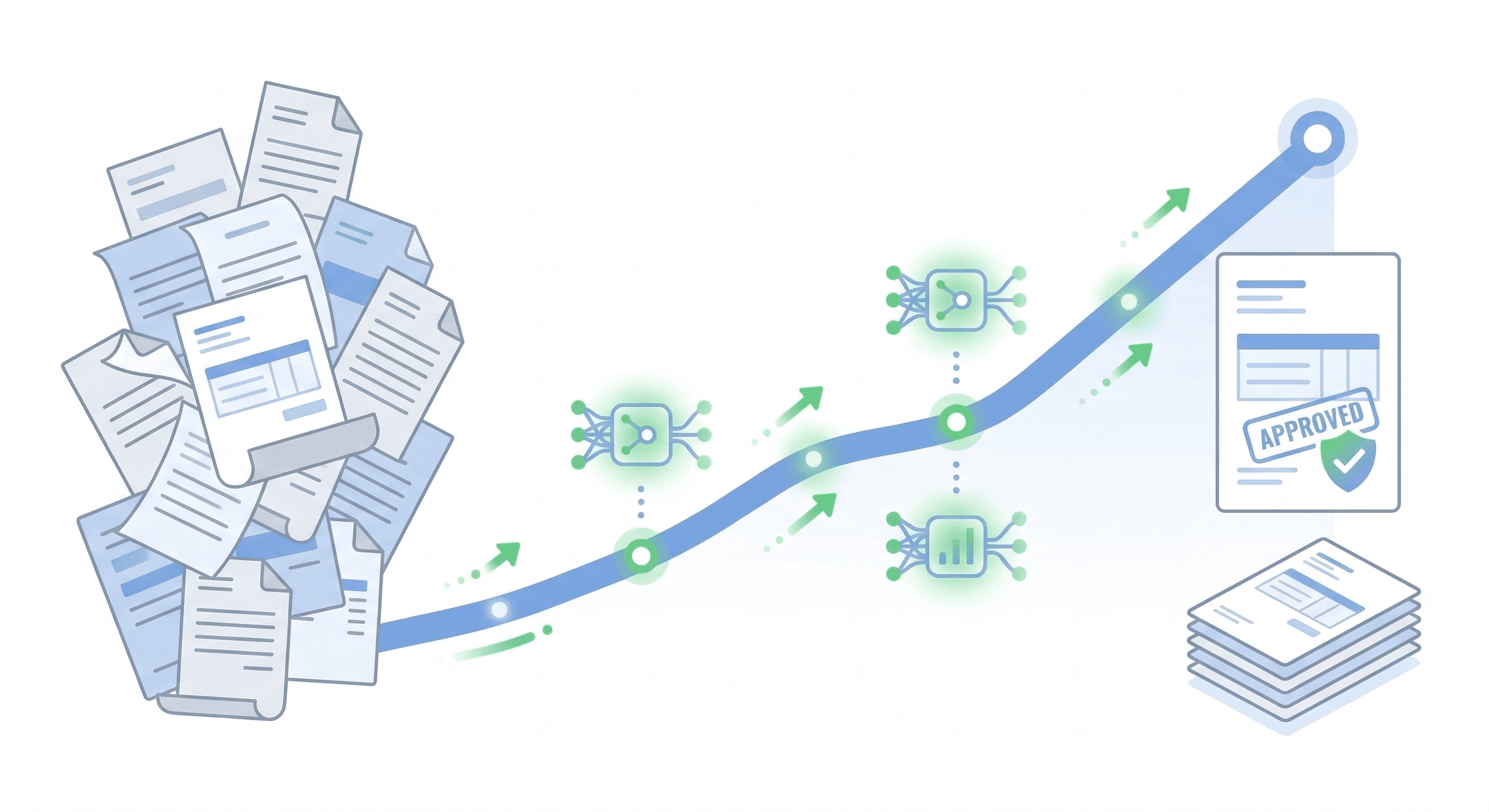
The "Inbound AI" system isn't a traditional "press 1 for sales" menu. It’s a sophisticated pipeline of Speech-to-Text, LLM Reasoning, and Natural Voice Synthesis.
Modern AI voice agents have finally solved the "robotic delivery" problem. By 2026, parallel generation models have trimmed latency (the AI's thinking time) by more than half, allowing for conversations that feel human, fluid, and immediate.
How it works at Autopilot Studio:
- 01
Instantaneous Triggering
The moment a call is missed or a form is submitted, the AI initiates contact.
- 02
Autonomous Qualification
The AI asks the deal-breaker questions (budget, timeline, requirements) and scores the lead.
- 03
Seamless Handoff
If the lead is high-intent, it is routed to a human or a booking link. If it is a low-intent tire-kicker, it is moved to a nurture sequence.
3. Case Study: 94% Cost Reduction
Consider a dental clinic that replaced its traditional reception service with an AI agent. Drag the handle to compare the monthly cost.
The AI handled 94% of inquiries perfectly, and customer satisfaction scores jumped from 6.2 to 8.9.
of inquiries handled perfectly by the AI.
Customer satisfaction score, before and after.
By automating the routine scheduling and FAQ tasks, the human team was finally freed to focus on complex patient care rather than answering "Are you open on Saturdays?" for the thousandth time.
Source: Medium: How AI Receptionists Are Becoming the Backbone of Clinics
4. The 2026 Competitive Advantage
By 2025, approximately 95% of customer interactions will be AI-powered. Businesses that insist on "human-only" response times will find themselves in a race to the bottom, competing on speed they simply cannot maintain.
The Inbound AI system ensures that no lead waits more than five minutes for a reply. That is the new standard for market leadership.
Stop Missing Money.
Your business shouldn't stop working just because you did. An AI receptionist doesn't sleep, doesn't take sick days, and never forgets to ask for the booking.
Book a call to see our voice agent in action.
Research provided by The Strategic Evolution of B2B Automation Services Analysis.