LLM, GPT, API, Agents - what do they actually mean? If you feel like the tech world is suddenly speaking a foreign language, you aren't alone. By early 2026, we’ve moved past simple "chatbots" into an era of Integrated Intelligence.
If you want to sound like the smartest person in the boardroom (without needing a CS degree), you need to understand the architecture. Here is your plain-English guide to the AI revolution.
1. The Engine vs. The Vehicle (LLM vs. Application)
One of the biggest mistakes people make is confusing the "model" with the "product." To understand this, think of the automotive industry.
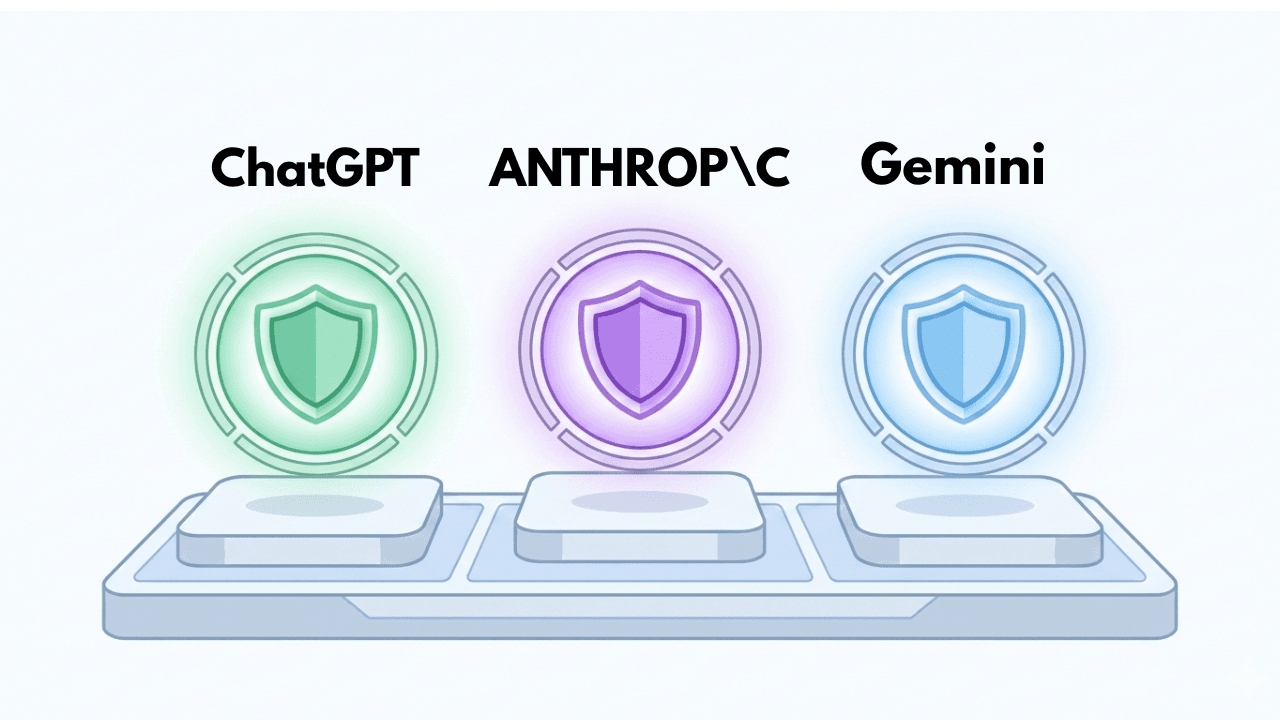
- The Large Language Model (LLM): This is the Engine. Models like OpenAI's GPT-5.2, Anthropic’s Claude 4.5, or Google’s Gemini 3 Pro are the powerhouses. They provide the raw reasoning and "torque," but they don't do much sitting on a factory floor.
- The AI Application: This is the Car. Applications like the ChatGPT web interface, Microsoft Copilot, or the Jenova Platform provide the steering wheel, the seats, and the dashboard.
Pro Tip: In 2026, we now have "Multi-Model Vehicles" like Jenova. It’s a modular chassis that lets you swap engines on the fly - using GPT for logic and Claude for coding - all inside the same car.
Source: Dataiku: Why the Whole AI "Car" Matters
2. The Librarian and the Amnesiac (Context & RAG)
How does an AI "remember" your business data? Technically, it doesn't. Standard AI is amnesiac; once a session ends, it forgets everything.
- Context Window (The "Note"): Imagine a hyper-intelligent librarian. They know every book in history but can't remember your name. The Context Window is the "note" you hand them at the start of a chat. In 2023, that note was the size of a Post-it. In 2026, Gemini 3 Pro allows a "note" of 1 million+ tokens - equivalent to handing them a whole filing cabinet of data to hold in their mind instantly.
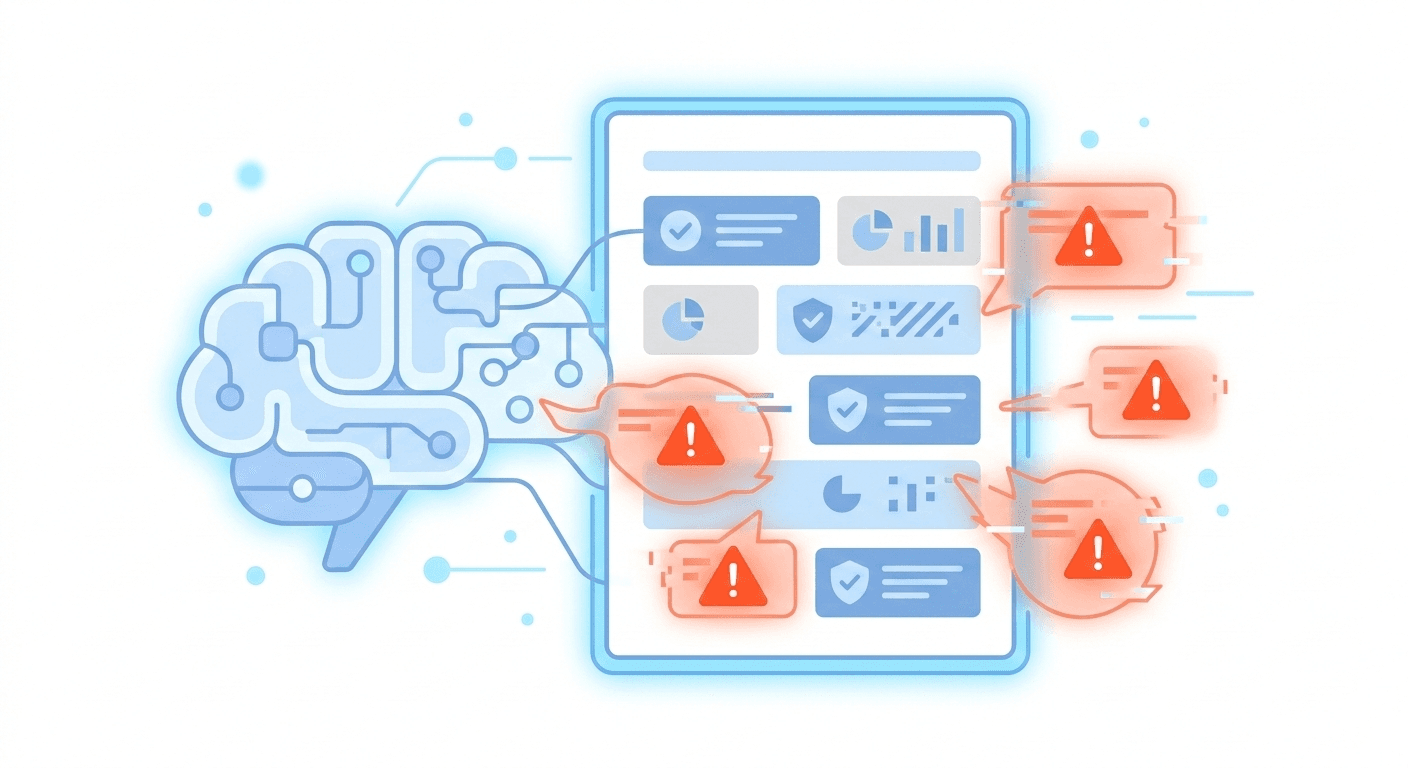
- Retrieval-Augmented Generation (RAG): Since you can't fit everything on one note, we use RAG. This is the librarian's ability to walk over to your specific company's database (The Reference Desk), pull a specific file, and answer your question based on those facts. This is how we stop AI from "hallucinating" (making things up).
3. The Digital Waiter (APIs)
How does your email software talk to your AI? Through an API (Application Programming Interface). Use the Restaurant Analogy:
- The Customer (You): You want a specific dish (e.g., "Summarize this PDF").
- The Kitchen (The Model): This is where the raw data is cooked into an answer.
- The Waiter (The API): The waiter takes your order, tells the kitchen what you need in a way they understand, and brings the finished meal back to your table.
APIs are the backbone of the 2026 economy - they allow different apps to "order" intelligence from central kitchens without building their own.
Source: Medium: API For Beginners Waiter Analogy
4. From Chatbots to Agents
The most significant shift this year is the move from Advisor to Employee.
- Chatbot (The Advisor): A chatbot is like a consultant in a sealed room. You ask a question, they give advice. They can tell you how to book a flight, but they can't actually touch your credit card.
- AI Agent (The Employee): An agent has "hands" and "agency." If you ask an agent to book a flight, it uses a web browser tool, navigates the site, enters your details, and sends you the confirmation.
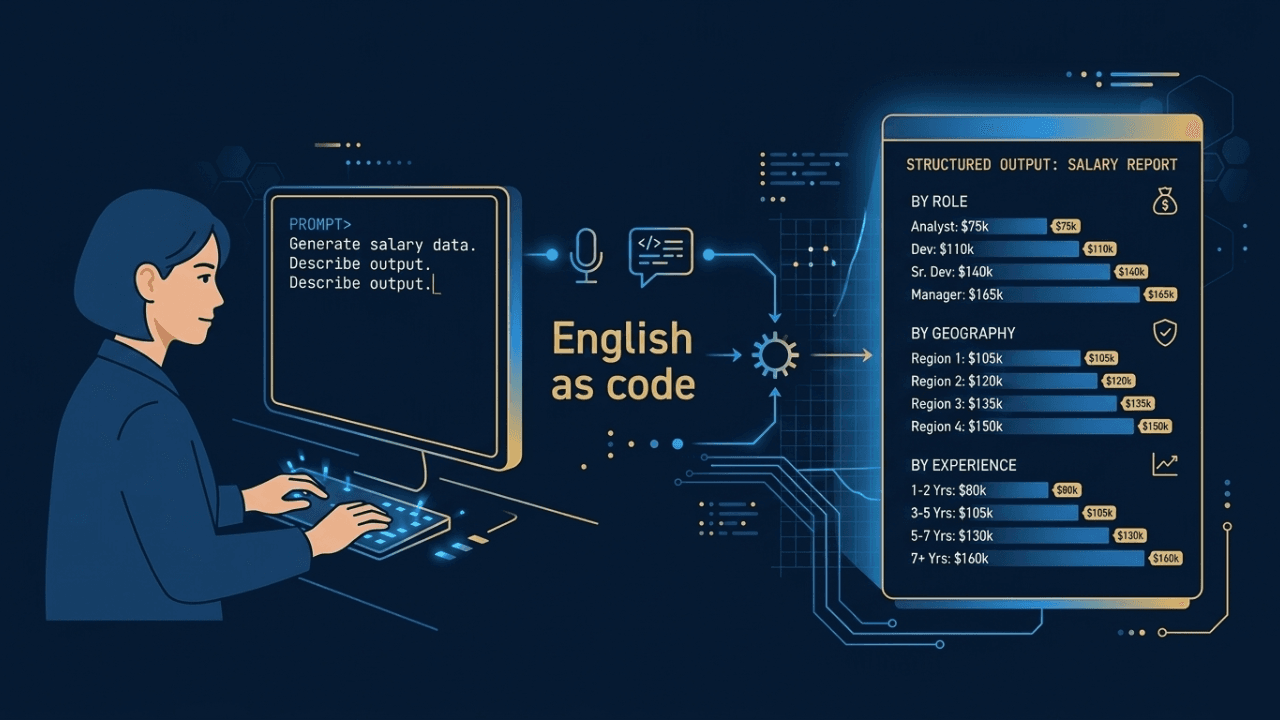
As NVIDIA CEO Jensen Huang famously said, "The hottest new programming language is English." Agents are the realization of that - turning your words into direct actions.
Summary Cheat Sheet
| Term | What it actually means |
|---|---|
| LLM | The "Brain" or Engine (e.g., GPT-5.2). |
| Context Window | How much info the AI can "read" at one time. |
| RAG | Grounding the AI in your specific, real-world data. |
| API | The connection that lets software talk to AI. |
| AI Agent | AI that can take action and execute tasks, not just talk. |
Ready to speak the language of the future?
Don't get left behind by the terminology. We've built a comprehensive resource to help you transition from a user to an architect of your own AI solutions.
Explore our course and learn AI step by step.
Research for this blog provided by The State of AI in 2026 Analysis.